Nanakorobi Yaoki = Fall down seven times and get up eight times
I offer my deepest condolences to those who have lost cherished family members or friends in the major earthquake.
Our country, Japan, is also a nation prone to earthquakes. I offer my heartfelt condolences.
Many of Kyoto’s famous temples have a history of having burned down three or even five times.
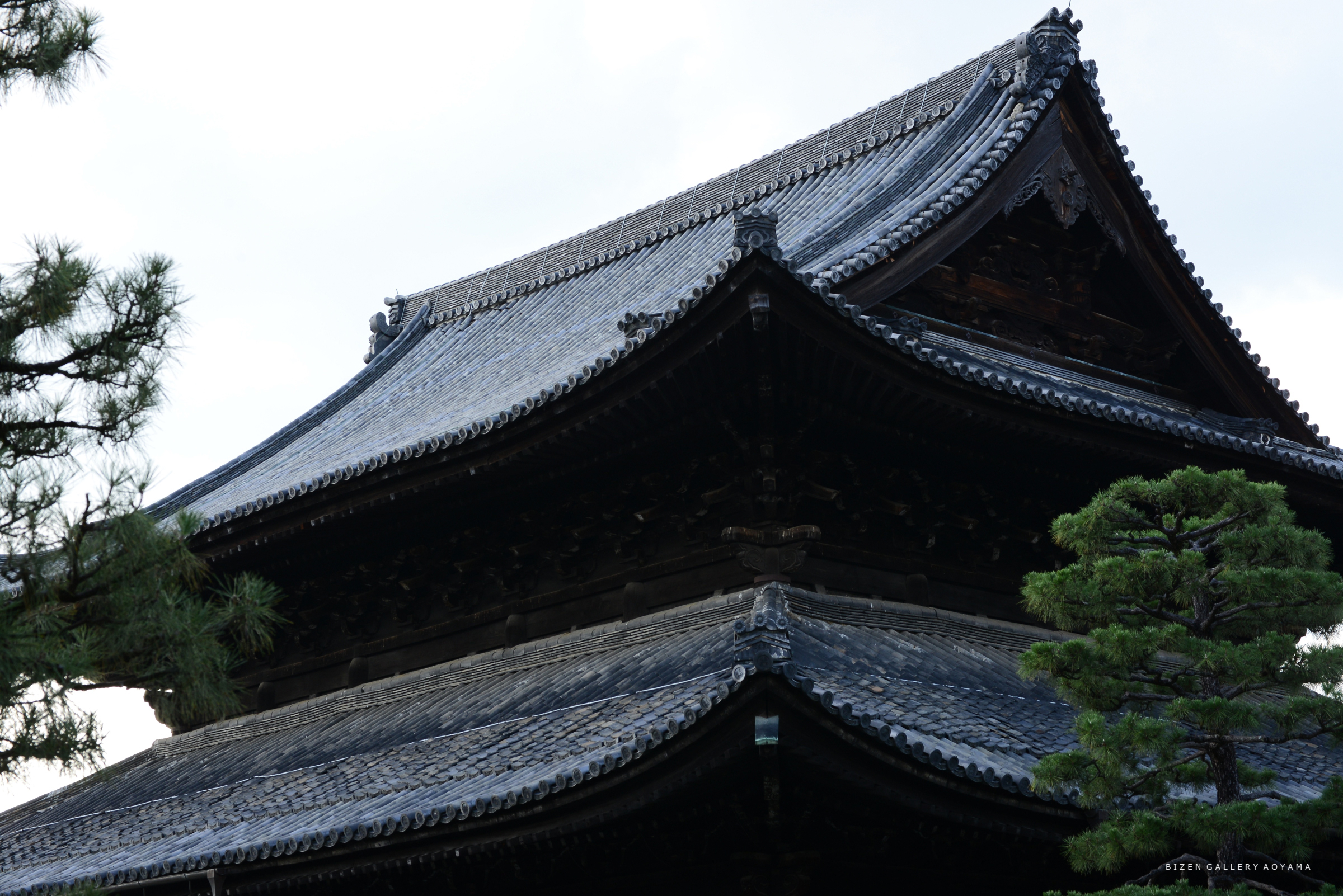
Throughout its long history, this wooden structure—renowned for its magnificent craftsmanship and ornamentation—has repeatedly fallen victim to major fires. Yet, the people of the time never gave up; they rebuilt it, preserving the form it retains to this day.Perhaps the aspect of Kyoto most worthy of respect is its spirit.
I imagine you are going through a very difficult time right now. Even amidst such hardship, however, time will bring healing. I hope you will hold onto hope and work toward rebuilding.
Amidst the frequent occurrence of major disasters, there is much sorrow. Furthermore, war brings widespread destruction and the loss of many lives. While avoiding natural disasters is difficult, putting an end to war is not impossible. Although the situation is currently escalating, I hope for at least some measure of calm. Humans possess both negative energy and the energy of goodness. Despite the various difficulties we face, I hope that the energy of goodness will prevail.
I strongly feel that politics today—not just in our own country, but globally—has gone mad.
For a politician, a “guiding philosophy” refers to the fundamental values and compass that determine the direction in which the nation or society is led. It serves as an unwavering anchor—transcending short-term gains or vested interests—for realizing the well-being of the people and social justice.
The roles played by such a philosophy include: serving as a criterion for judgment (the most critical factor when formulating policies or setting priorities); acting as a promise to voters (a foundation for presenting one’s vision of society—such as addressing inequality or advocating proactive pacifism—and thereby earning the public’s trust and mandate); and providing a motive for action (a mental pillar that enables consistent political activity without yielding to pressure or adversity). The components of a politician’s philosophy generally include:
A view of humanity: Perspectives on how human beings ought to be and what kind of society upholds human dignity.
A vision of society: The ideal state of society one strives to achieve, encompassing values such as freedom, equality, and fairness.
A historical perspective: A viewpoint on how to interpret the path taken by predecessors and what legacy should be passed on to future generations.
What exactly are the guiding principles of today’s politicians?
It feels as though they are intent on widening the gap even further.
What is it that the leaders of our country—fraught with suspicion—and the leaders of the superpower actually want?
I simply cannot understand it at all.
I hate to say this, but the situation is truly appalling, so I have no choice but to speak up.
Observing the world today, I feel that it is the actions of young people that will guide everything going forward.
The intergenerational gap is widening significantly. Aging leaders are running out of control, and young people are paying the price. Nationality or skin color—such things do not matter. What matters most is what young people around the world are seeking.
Kennnin ji
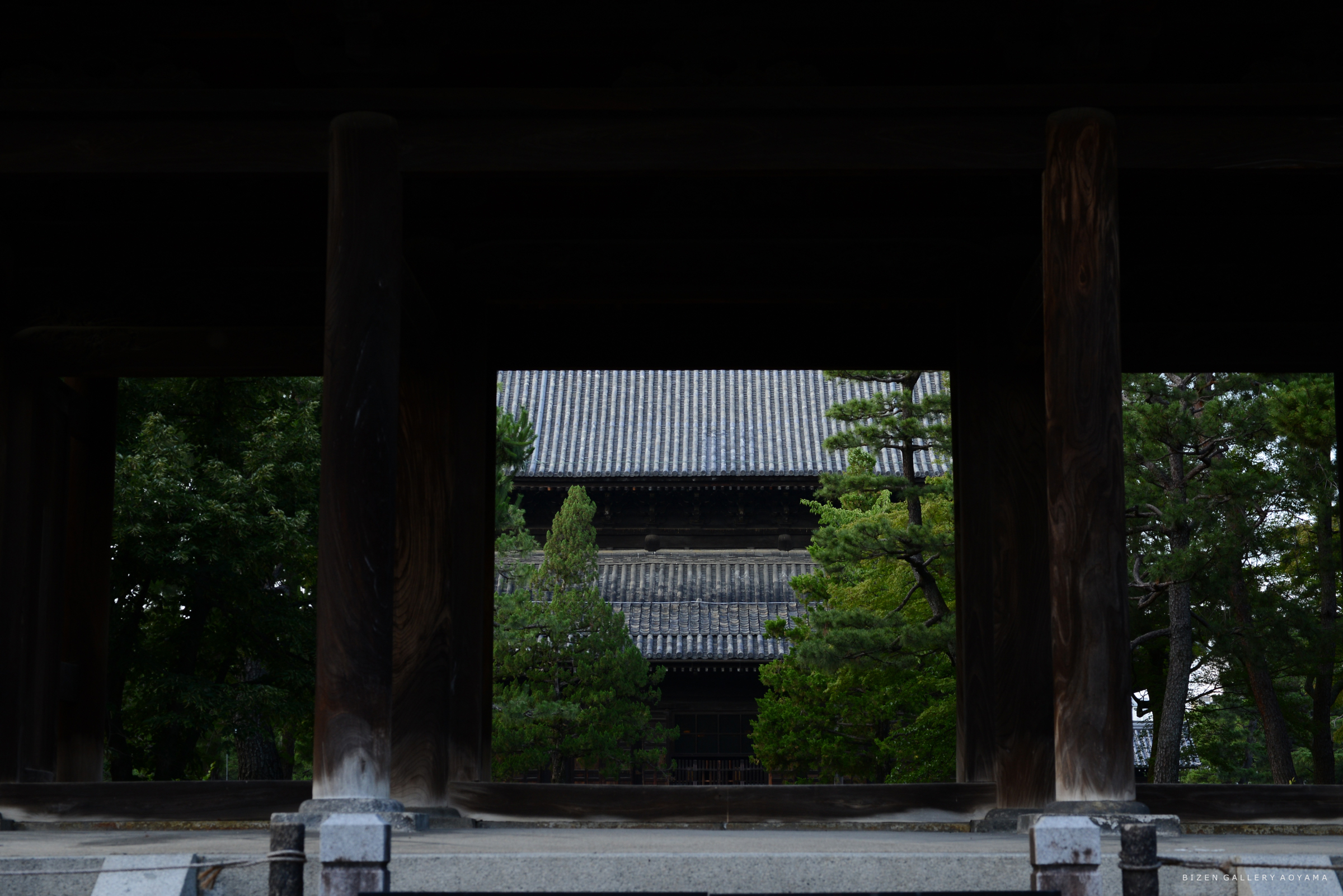
This temple is a famous Zen temple in Kyoto, but it also has a history of having burned down four or five times.
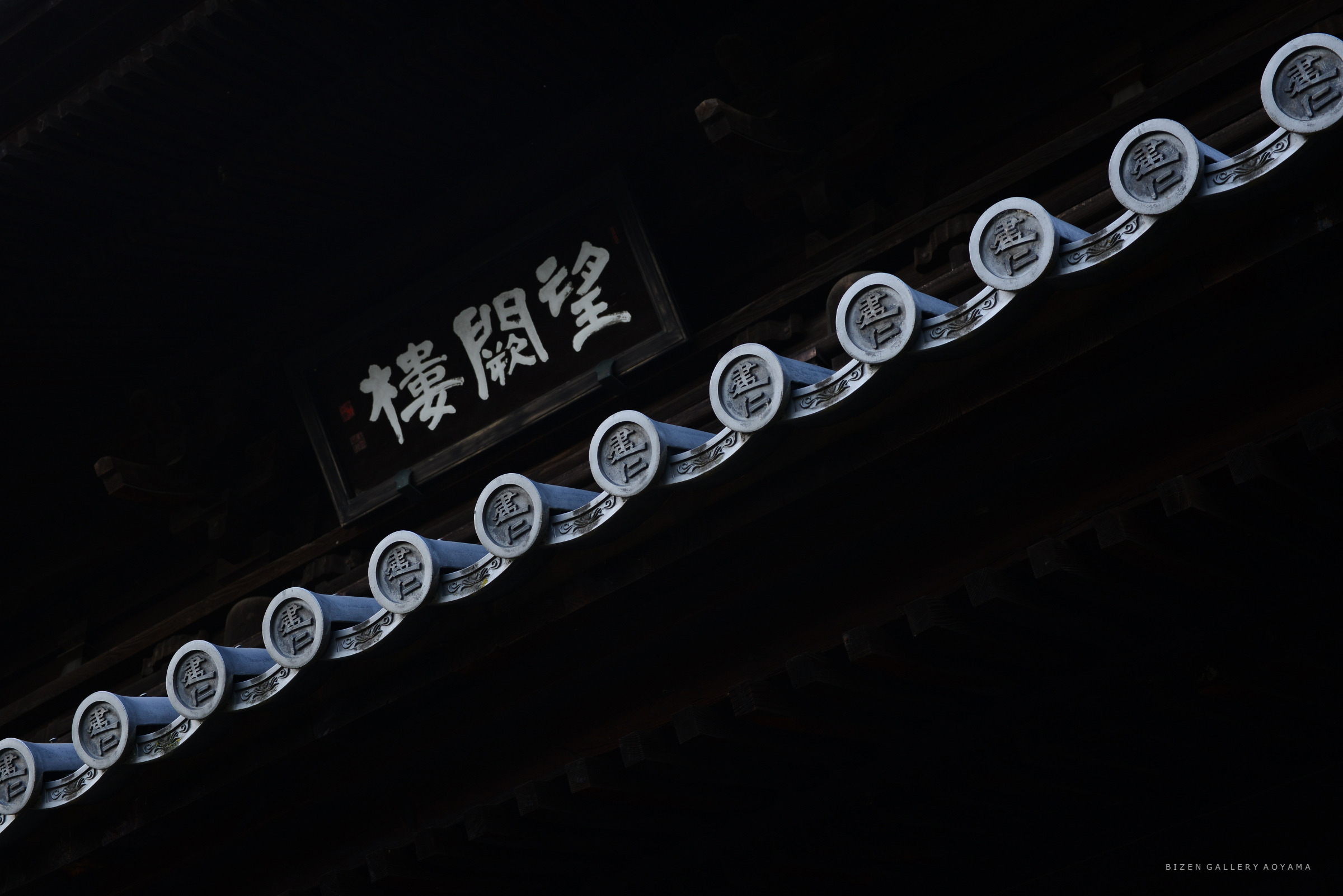
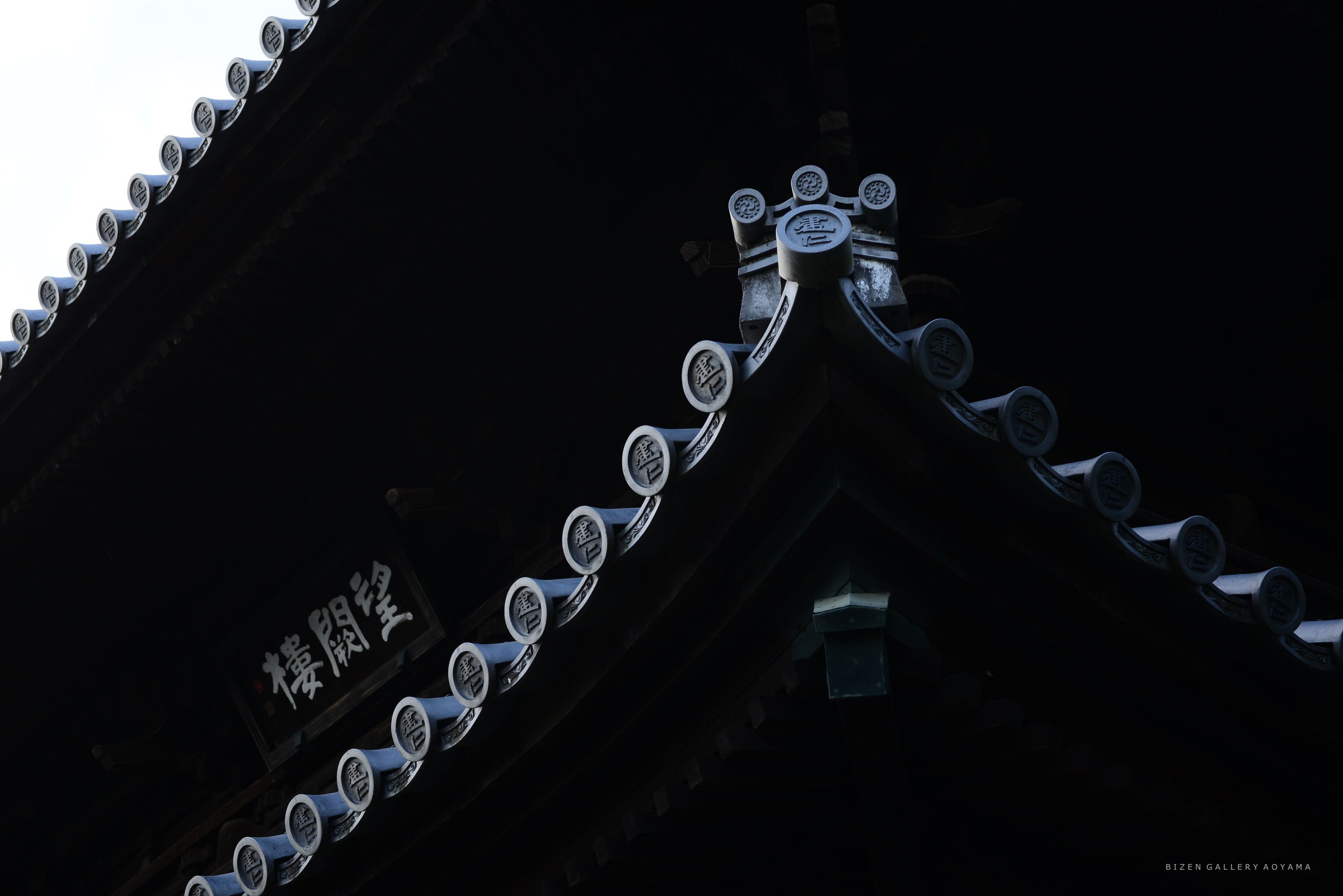
The kanji character 「仁」”Jin or Nin” primarily signifies compassion, benevolence, and a heart that loves others. In Confucianism, it is regarded as the most important virtue for fostering close relationships with others and achieving harmonious coexistence.
Consideration; benevolence. In particular, as a fundamental tenet of Confucianism, it refers to a spirit of compassion—making no distinction between oneself and others, and treating all things with friendliness, affection, and kindness.
It may mean building a heart that loves others…..
Its actual origin seems to be the era name (1201-1204) from the time it was founded, though.
Founder Eisai (the person who introduced Zen and tea to Japan)