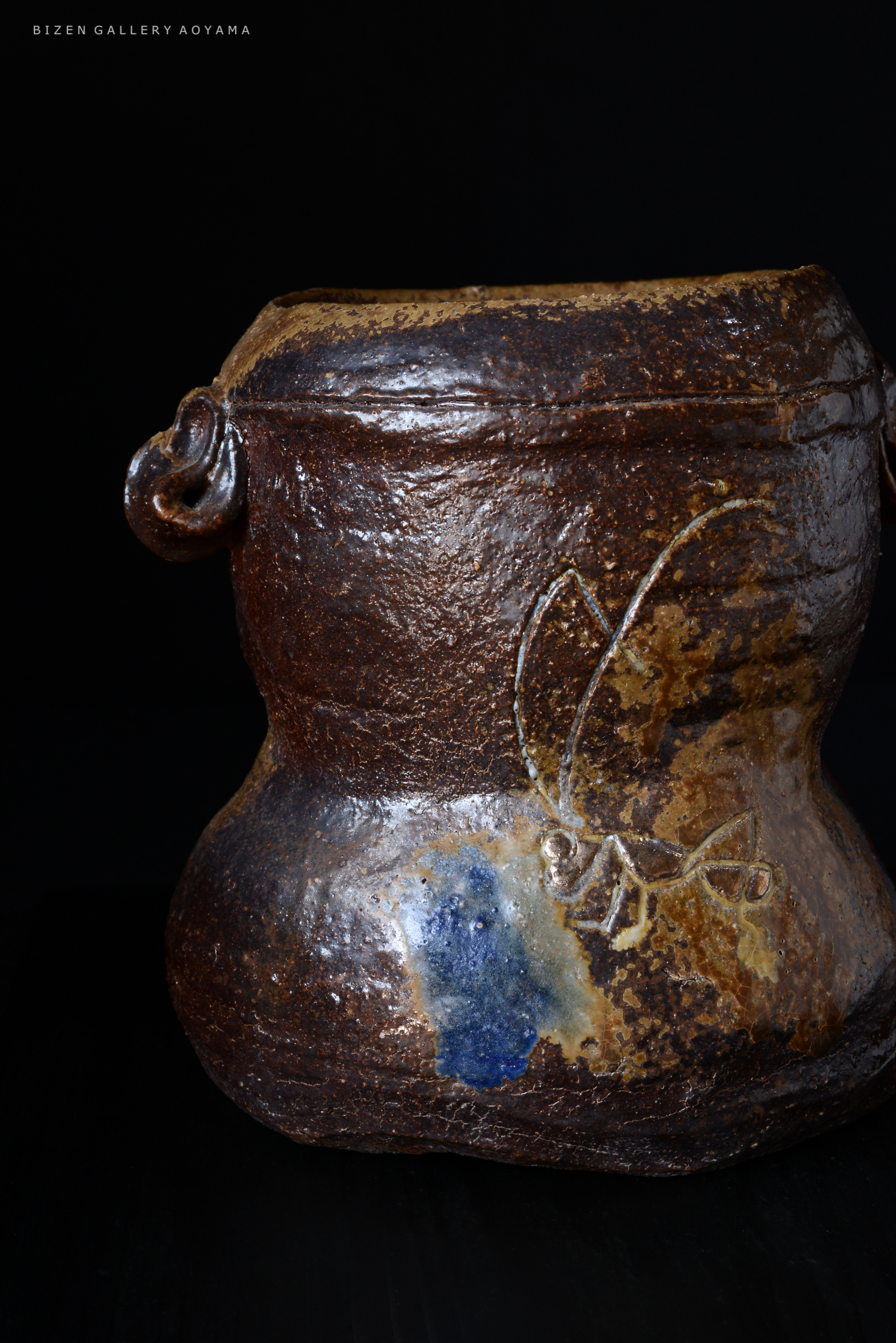
Why are motifs and materials inspired by nature incorporated into tea utensils?
When grasshoppers or locusts are incorporated into the designs or forms of tea utensils, they embody meanings that transcend the insect itself—specifically, traditional Japanese symbolism for good fortune and an appreciation for the atmosphere of autumn. There are three primary interpretations and symbolic associations: 1. A symbol of career advancement and leaping progress (the act of “springing up”). Grasshoppers and locusts use the powerful muscles of their hind legs to leap vigorously forward and upward. This energetic jumping motion has led to them being regarded as auspicious motifs symbolizing a surge in luck, business growth, and rapid strides in academics or career advancement. 2. Prayers for abundant harvests and the prosperity of descendants. Frequently found in autumn rice paddies and grassy fields, grasshoppers and locusts are symbols of the “autumn harvest.” Historically, farmers would catch locusts—which fed on the rice plants—and gratefully consume them as a valuable source of protein (often prepared as tsukudani); thus, they were not viewed merely as pests but were deeply linked to the bounty of the autumn harvest. Furthermore, because they lay a large number of eggs at once, they also embody wishes for the prosperity of one’s descendants. 3. Appreciating the atmosphere of autumn “grass insects.” In the tea ceremony, three-dimensional grasshopper carvings or maki-e (sprinkled gold lacquer) designs are sometimes applied to items such as kōgō (small incense containers) or the lids of natsume (lacquerware containers for thin tea). This serves as a symbolic touch, intended to evoke the natural scenery of a long autumn night—such as a grassy field or the sound of insects—within the tea room. The mere presence of a utensil featuring a grasshopper allows guests to sense the deepening of autumn through all five senses.
In the “omotenashi” (hospitality) extended by the host to the guests, the host crafts a narrative or conveys a specific message through the selection and combination of tea utensils. For instance, on a hot summer day, the host might choose items featuring motifs of cool flowing streams or fresh green foliage, or select glassware and shallow tea bowls that evoke a sense of coolness; such choices embody the traditional Japanese spirit of thoughtful hospitality, aiming to provide the guests with comfort and a sense of seasonal atmosphere. Thus, the natural motifs found on tea utensils are far more than mere decoration; they serve as essential elements for expressing respect for nature, sharing the essence of the season, and soothing the guests’ hearts.
市中山居 Shichu Sankyo
The concept of shichū sankyo—living in the mountains while dwelling in the city—reflects an ideal held by figures such as Takeno Jōō, a mentor to Sen no Rikyū. They believed that true aesthetic refinement (fūryū) lay not in physically secluding oneself in the mountains, but in maintaining a tranquil spirit and a love for nature amidst the bustle of urban life. Natural motifs on tea utensils serve as a “switch,” instantly transporting the mind to the vastness of the natural world amidst the busyness of daily life.
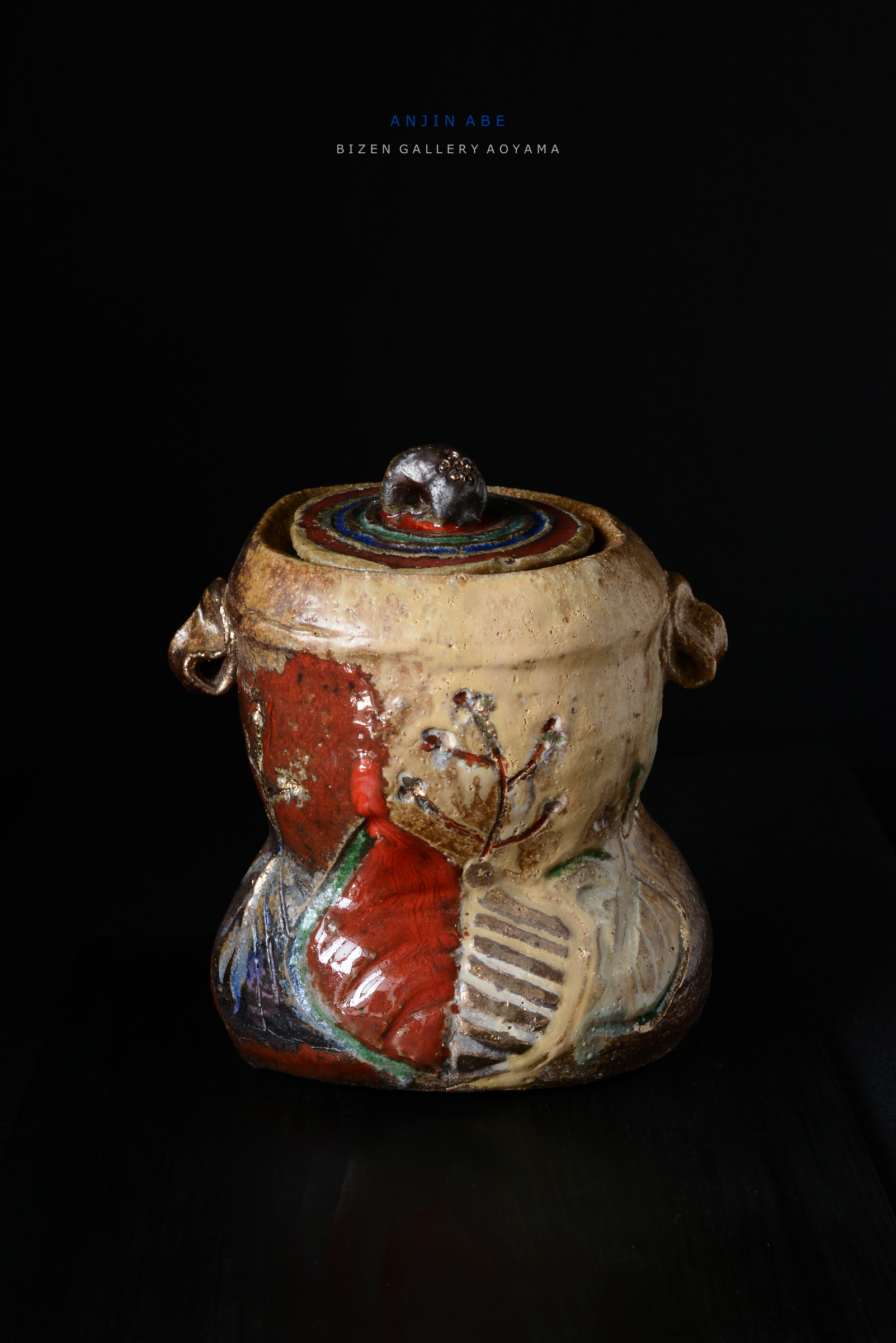
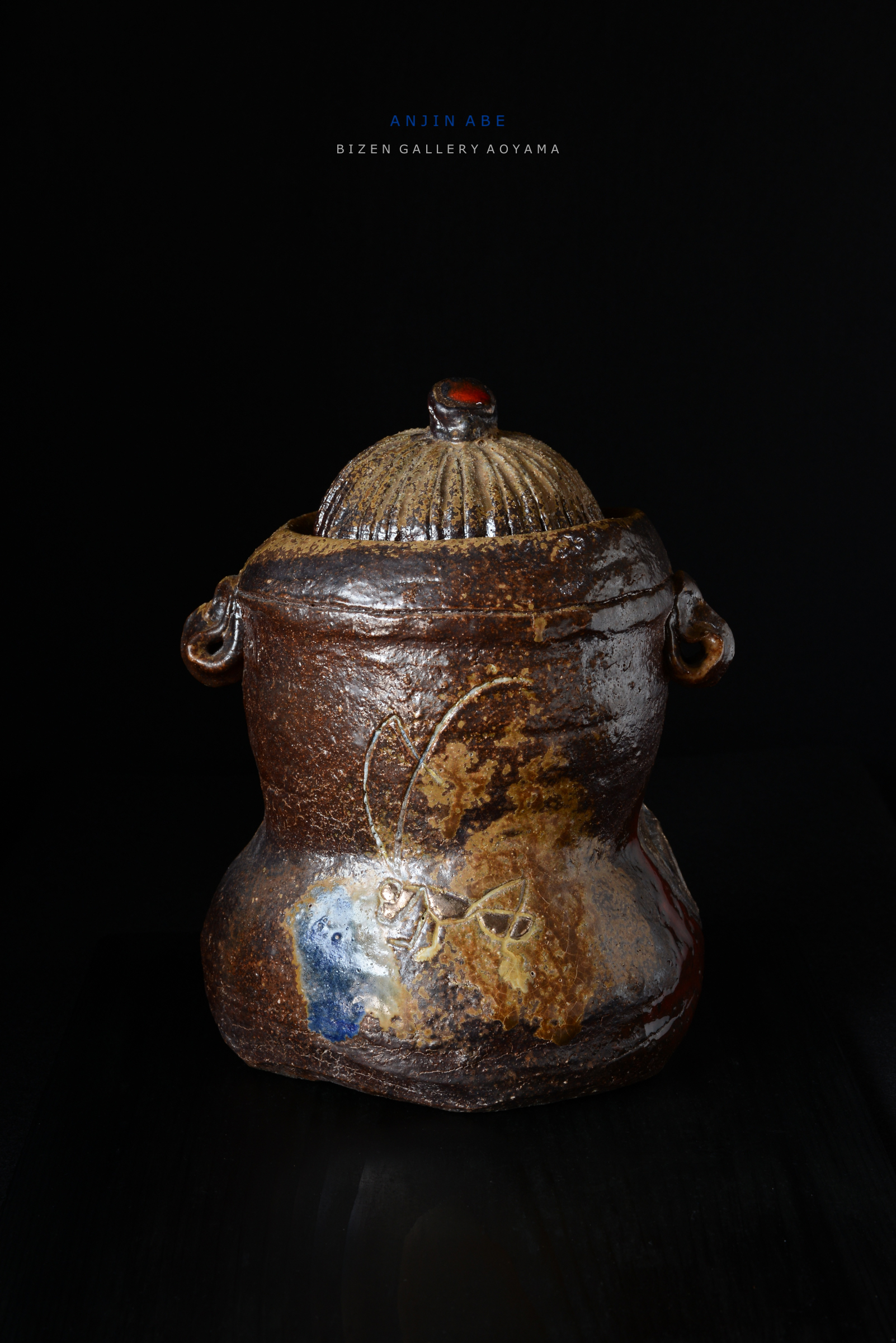
Saishoku Bizen Mizusashi | Anjin ABE
彩色備前水指 | 安倍安人
Size(cm)W20D20.3H17.9
Two lids, Double wooden box

